

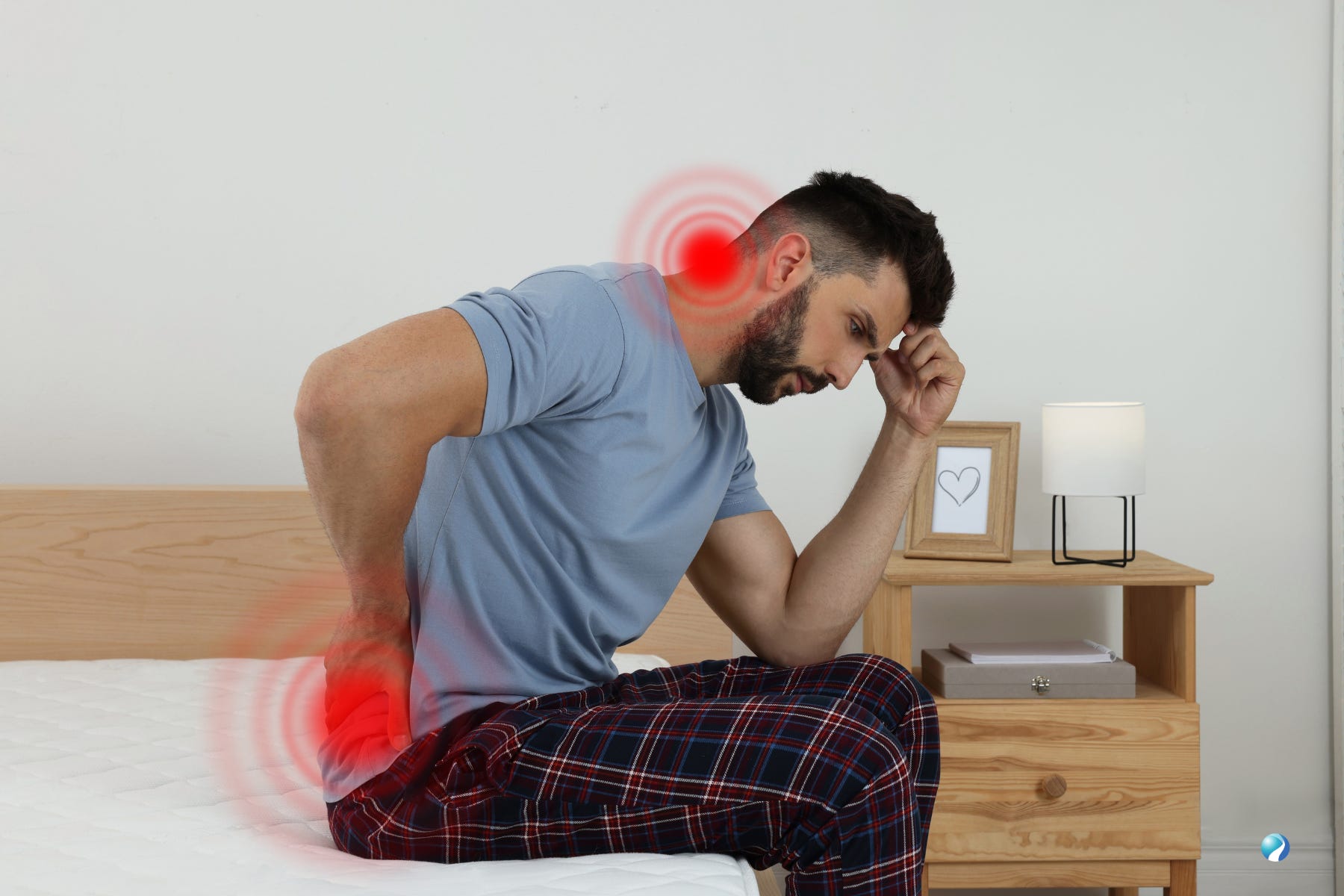
A simple, low-intensity home program improved overall fibromyalgia symptoms, stiffness, mobility, mental well-being, and pressure-pain tolerance
Fibromyalgia is a complex chronic condition commonly associated with widespread pain, fatigue, muscle tenderness, sleep disruption, cognitive difficulties, and heightened sensitivity to pressure. Although exercise is consistently recommended as part of fibromyalgia management, many people find conventional exercise programs difficult to begin or maintain.
Pain flares, fatigue, fear of aggravating symptoms, limited access to supervised rehabilitation, and the cost of ongoing treatment can all interfere with participation. This creates an important clinical question: could a very short, gentle, home-based stretching routine provide meaningful benefits without demanding too much from the patient?
A 2026 randomized controlled trial published in the Archives of Physical Medicine and Rehabilitation examined exactly that question. The researchers studied whether six minutes of low-intensity stretching per day could improve symptoms in adults with fibromyalgia.
The results were encouraging. After six weeks, participants completing the stretching program reported a clinically meaningful improvement in the overall impact of fibromyalgia. They also experienced improvements in stiffness, mobility, mental health, and pressure-pain tolerance.
Understanding Fibromyalgia
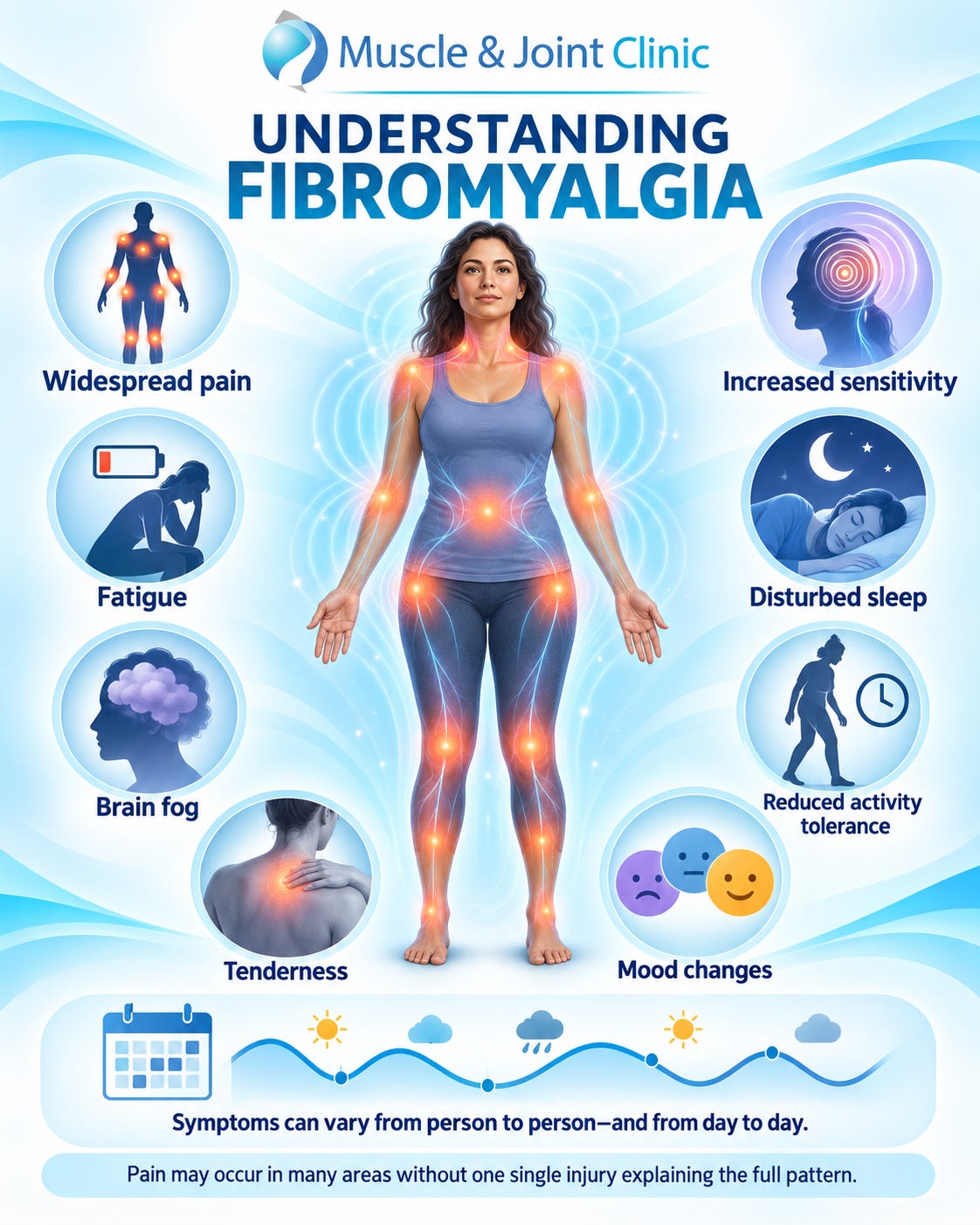
Fibromyalgia is characterized by widespread pain and increased sensitivity to sensory input. People with the condition may experience pain in multiple areas without evidence of a single localized injury that explains the full symptom pattern.
Symptoms can vary considerably between individuals and may fluctuate from one day to another. In addition to pain, fibromyalgia may involve fatigue, disturbed sleep, difficulty concentrating, reduced activity tolerance, mood changes, and tenderness throughout the body.
The exact cause remains uncertain. Current research suggests that altered pain processing within the nervous system plays an important role. This means that the brain and nervous system may become more responsive to signals that would not normally produce significant pain.
Because fibromyalgia affects several aspects of physical and emotional health, there is no single treatment that works for everyone. Management commonly involves education, appropriately paced exercise, sleep and stress strategies, psychological support, medication when indicated, and individualized rehabilitation.
Why Exercise Can Be Difficult With Fibromyalgia
Physical activity is generally considered an important part of fibromyalgia management. However, exercise can be particularly challenging for people who experience widespread pain and fatigue.
Beginning a new exercise program can sometimes temporarily aggravate symptoms. If the program is too intense or progresses too quickly, a person may experience a flare and become hesitant to continue. This can contribute to a cycle of reduced activity, declining physical capacity, and greater difficulty tolerating everyday demands.
The type, intensity, frequency, and duration of exercise therefore matter. An effective program must provide enough stimulus to be beneficial while remaining manageable enough for the patient to perform consistently.
The researchers behind this study developed a low-dose, high-frequency program with this challenge in mind. Instead of asking participants to complete lengthy exercise sessions, the program required only six minutes of gentle stretching each day.
How the Study Was Conducted
The randomized controlled trial enrolled 58 adults between the ages of 18 and 65 who had been diagnosed with fibromyalgia according to established clinical criteria.
Participants were randomly assigned to one of two groups. The intervention group completed the six-week home stretching program, while the control group continued with usual care and was placed on a waiting list to receive the program after the study’s main assessment period.
The average participant was approximately 50 years old. Fifty-five of the 58 participants, almost 95%, were women. Participants had experienced symptoms for an average of approximately 16 to 19 years and had generally been living with a formal fibromyalgia diagnosis for several years.
The stretching group was asked to maintain its usual daily routine and avoid beginning another exercise program or changing medication during the trial. The control group received similar instructions but did not perform the study’s stretching routine.
What Did the Stretching Program Include?
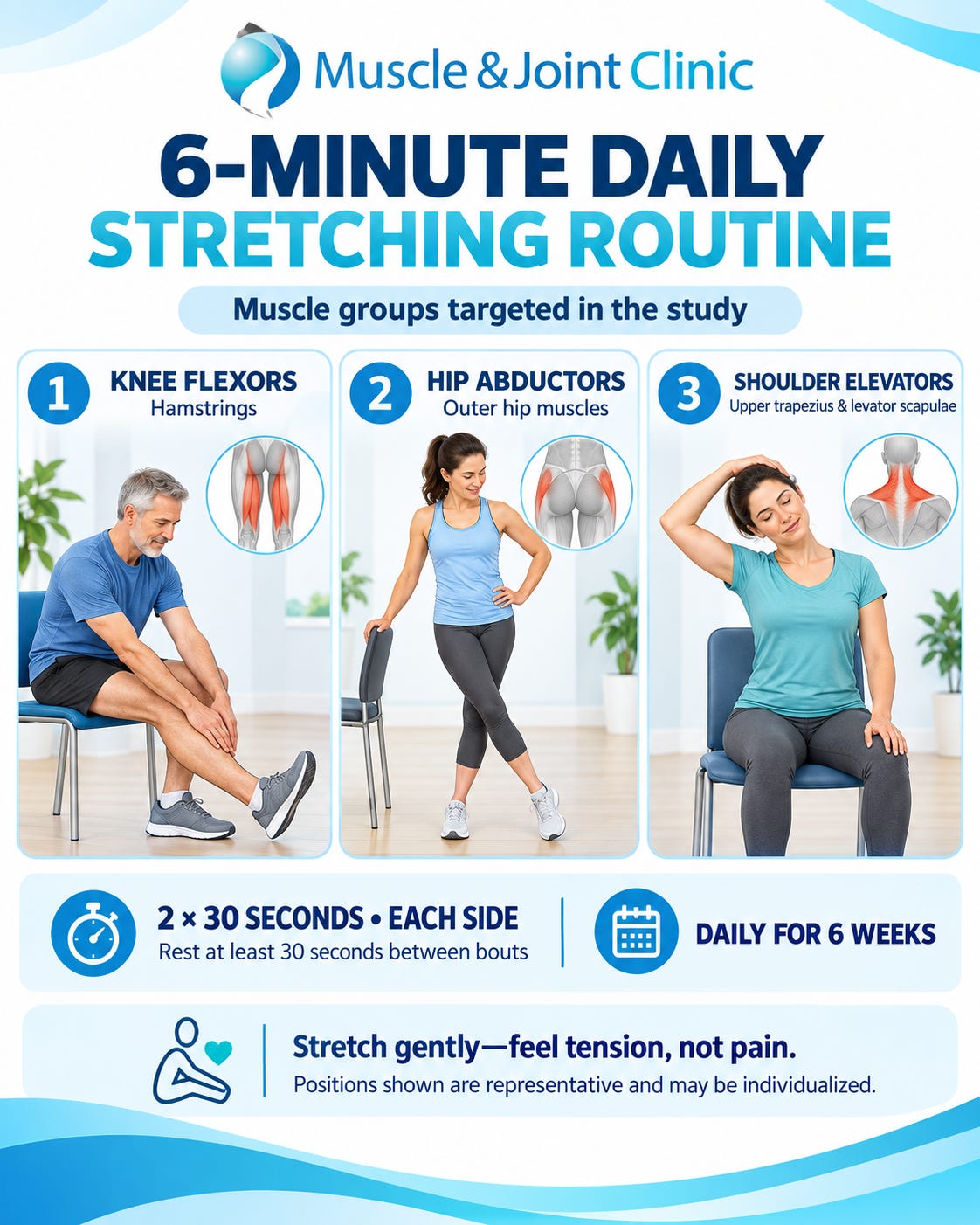
Participants completed approximately six minutes of static stretching every day for six weeks.
The program targeted three areas:
The knee flexors, primarily the hamstrings
The hip abductors, located around the outer hip
The shoulder elevators, including muscles such as the upper trapezius and levator scapulae
Participants completed two 30-second stretching bouts on each side for every targeted muscle group. At least 30 seconds of rest was provided between bouts.
The stretches were intentionally low intensity. Participants were instructed to apply tension only until they experienced a stretching sensation. The goal was not to force the body into the greatest possible range or create pain.
Exercise order was flexible, and minor adjustments could be made based on individual needs.
Participants used a mobile health application to view exercise videos and written instructions, record completed sessions, and communicate with the investigator. The investigator contacted participants approximately once a week to monitor how the program was going and support correct implementation.
The published article identifies the muscles targeted but does not provide the exact exercise positions in its main text. Consequently, specific seated, standing, or lying techniques should not be presented as the exact study protocol unless the study’s original videos or supplementary exercise instructions are available.
Overall Fibromyalgia Symptoms Improved
The study’s primary outcome was the Revised Fibromyalgia Impact Questionnaire, commonly called the FIQ-R.
The FIQ-R evaluates the overall effect of fibromyalgia across symptoms, daily function, and quality of life. Scores range from zero to 100, with higher scores representing a greater impact from the condition.
After six weeks, the stretching group’s average FIQ-R score decreased by 9.7 points. This represented an 18.7% improvement from baseline.
The usual-care group improved by only 0.8 points, which was not statistically significant.
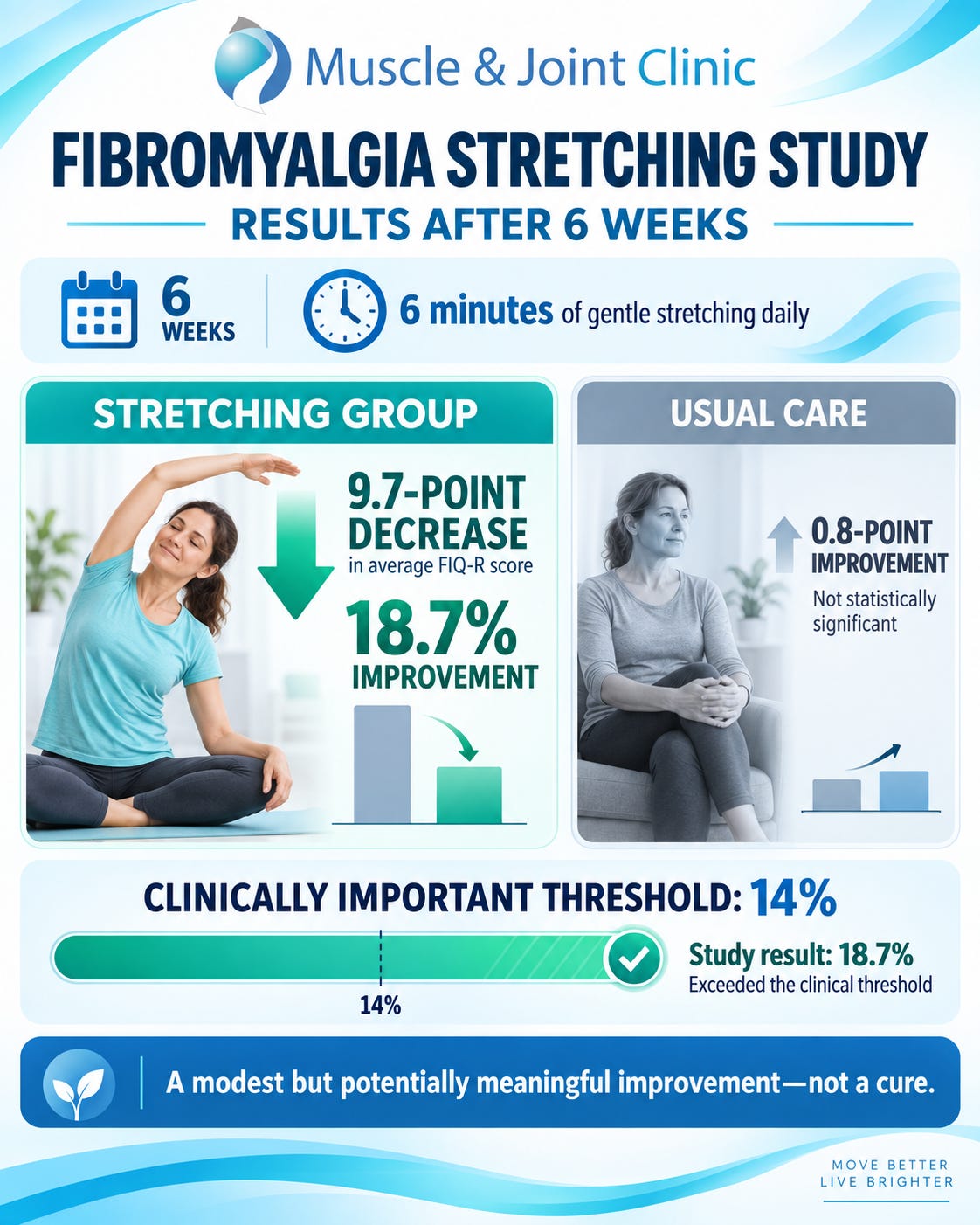
A change of approximately 14% is considered the minimum clinically important difference for the FIQ-R. The stretching group’s 18.7% improvement exceeded this threshold, suggesting that the average change was not only statistically detectable but also potentially meaningful to patients.
The absolute improvement was still modest, and the program should not be interpreted as a cure. Nevertheless, obtaining a clinically meaningful improvement from only six minutes of gentle daily stretching is a notable result.
Stiffness Decreased by More Than 20%
Stiffness is a frequent and sometimes disabling feature of fibromyalgia. It can make it difficult to get moving in the morning, remain in one posture, transition between activities, or exercise comfortably.
Participants in the stretching group experienced an average 1.4-point reduction in stiffness, corresponding to a 22.4% improvement.
The control group’s stiffness score changed by only 0.14 points and did not improve significantly.
This finding suggests that regular, gentle stretching may help some people feel less physically restricted, even when the total daily exercise dose is quite small.
Mobility Improved
The researchers measured passive knee-extension range of motion using specialized laboratory equipment. The knee was gradually extended until the participant reported that the sensation had changed from stretching to pain.
The stretching group improved its average range of motion by 13.6 degrees after six weeks. The control group experienced a nonsignificant average decrease of approximately six degrees.
This improvement may reflect increased stretch tolerance, changes in muscle-tendon flexibility, altered sensitivity to stretching, or a combination of these factors.
The test does not prove that participants became more flexible throughout the entire body. It does, however, provide an objective measurement that supports the self-reported improvements in stiffness and overall symptoms.
Pressure-Pain Tolerance Increased
The investigators also used a pressure device called an algometer to measure pressure-pain thresholds. Pressure was gradually applied to the upper trapezius and tibialis anterior until the participant indicated that the sensation had become painful.
After six weeks, the pressure-pain threshold increased by 16.8% at the upper trapezius and 22.2% at the tibialis anterior in the stretching group. No significant changes occurred in the control group.
A higher pressure-pain threshold means that more pressure could be applied before the participant identified the sensation as painful.
Because fibromyalgia is associated with heightened pain sensitivity, this result is particularly interesting. The changes occurred at both an upper-body and a lower-body location, raising the possibility that the program affected more than the specific tissues being stretched.
However, the trial was not designed to determine the precise mechanism behind these changes. It would therefore be premature to claim that stretching “resets” the nervous system or reverses central sensitization.
Mental Health Scores Improved
Participants completed the Short Form-36 questionnaire, which includes physical and mental health components.
The stretching group’s mental component score improved by an average of five points, while the control group showed virtually no change. The difference between groups was statistically significant and fell within commonly reported thresholds for a clinically meaningful improvement.
This does not mean that stretching should replace psychological care, medication, or other mental health treatment when those interventions are needed. It does suggest that successfully completing a manageable daily activity may have benefits extending beyond physical flexibility.
Gentle movement may support confidence, self-efficacy, body awareness, routine, and a greater sense of control over symptoms. These potential explanations are plausible, but the study did not directly determine why mental health scores improved.
Physical Health and Pain Results Were More Complicated
Not every measured outcome showed a clear advantage for stretching.
The physical component of the Short Form-36 did not demonstrate a significant difference in change between the stretching and control groups. This means that the program’s measurable benefits did not translate into a clearly superior improvement in this broader physical health score over six weeks.
Pain scores also did not show a statistically significant group-by-time interaction. Although pain changed over time, the study did not establish that the stretching group’s pain improvement was significantly greater than the control group’s change.
This is an important distinction. The program improved the overall fibromyalgia impact score, stiffness, range of motion, mental health, and pressure-pain threshold, but it did not produce a clearly demonstrated group-specific reduction in the pain subscore.
Patients should therefore not be told that this program has been proven to directly reduce pain. Its most convincing benefits involved overall symptom impact, stiffness, mobility, mental well-being, and tolerance to pressure.
Participants Maintained High Adherence
The average self-reported adherence rate was 83%. In other words, participants reported completing most of the prescribed daily sessions.
This is an important finding because exercise adherence is often difficult for people with fibromyalgia. A theoretically effective program provides little real-world value if it is too demanding to perform consistently.
The six-minute format may have helped make the routine more manageable. Participants did not need to travel to a facility, purchase extensive equipment, or complete a long workout.
The program also included video guidance, written instructions, activity tracking, weekly communication, and individual adjustments. These supports may have contributed to the high adherence rate. It is therefore unclear whether the same results would occur if patients were simply handed a sheet of exercises without follow-up.
Was the Program Safe?
No serious adverse events occurred during the study.
A few participants reported mild, temporary neck-muscle tenderness during the first days of the program. These symptoms did not cause them to withdraw.
One participant developed increased widespread pain during the initial weeks. The symptoms were familiar to that individual and continued even after temporarily stopping the program. Other health conditions may have contributed, but the researchers could not exclude the possibility that the stretching intervention played a role. The participant ultimately withdrew.
The intervention group had a discontinuation rate of approximately 7%. Overall, the researchers considered the low-intensity program feasible and generally well tolerated.
Still, “gentle” does not mean universally appropriate. People with fibromyalgia can respond differently to exercise, and symptoms should be monitored. A program may need to begin with shorter holds, fewer repetitions, a smaller range, or additional rest.
Why Might Gentle Stretching Help?
Several mechanisms could potentially contribute to the observed benefits.
Repeated low-intensity stretching provides sensory input to muscles, joints, and the nervous system. Over time, this may influence stretch tolerance, movement confidence, muscle tension, and pain processing.
Stretching may also activate the body’s internal pain-modulating systems or influence autonomic nervous system activity. These mechanisms are particularly relevant to fibromyalgia because altered pain inhibition and autonomic regulation have been proposed as features of the condition.
The study did not directly measure these processes, so they remain possible explanations rather than proven mechanisms.
The program’s low-dose, high-frequency design may also be important. Short daily exposure may allow the nervous system and musculoskeletal system to adapt without creating the fatigue associated with a longer workout. Regular repetition may be more useful than occasional high-intensity sessions, particularly for someone with limited activity tolerance.
Important Study Limitations
Although this was a randomized controlled trial, several limitations should be considered.
The study included only 58 participants, making it a relatively small trial. Almost 95% of participants were women, so the findings may not apply equally to men with fibromyalgia.
The intervention lasted only six weeks. The study does not tell us whether improvements continued, increased, or disappeared after the program ended.
Participants knew whether they were stretching or receiving usual care. Their expectations may have influenced symptom reporting. The waitlist control group did not receive an active comparison treatment, such as relaxation exercises, general movement, education, or another form of stretching. This makes it difficult to separate the specific effects of stretching from attention, expectation, routine, app support, and weekly contact.
Adherence was also self-reported through the mobile application and was not independently verified.
Some outcomes, particularly pressure-pain thresholds, may have been influenced by the assessor’s knowledge of group assignment. The authors recognized that this could potentially favour the intervention.
These limitations do not invalidate the findings, but they mean that larger and longer trials with active comparison groups are needed.
What Does This Mean for Patients?
The study provides encouraging evidence that exercise for fibromyalgia does not necessarily need to be lengthy or strenuous to be worthwhile.
A short program may be a realistic starting point for people who feel overwhelmed by conventional exercise recommendations or who have previously experienced symptom flares after doing too much too soon.
The central principles appear to be more important than forcing a particular position: keep the intensity low, stretch only to gentle tension, remain consistent, monitor the response, and adjust the program when necessary.
Patients should not interpret the study as an instruction to push through significant pain. Fibromyalgia management often requires pacing. If symptoms remain substantially aggravated after stretching, the dosage, range, frequency, or exercise selection may need to be modified.
The Importance of Individualized Care
Although participants followed a standardized program, the researchers allowed minor individual adjustments. This reflects an important principle in clinical practice: people with fibromyalgia do not all respond in the same way.
A physiotherapist can assess mobility, strength, balance, functional limitations, pain sensitivity, and activity tolerance before developing an appropriate program. The starting dosage can then be adjusted according to the patient’s symptoms and goals.
For some patients, a six-minute routine may be manageable immediately. Others may need to start with only one or two stretches, shorter holds, or fewer days per week before progressing gradually.
Stretching may also be combined with strengthening, aerobic activity, education, pacing, sleep strategies, and other treatments. It should be viewed as one potentially helpful part of a broader management plan rather than a complete solution by itself.
The Bottom Line
This 2026 randomized controlled trial found that six minutes of gentle daily stretching for six weeks produced a clinically meaningful improvement in the overall impact of fibromyalgia compared with usual care.
Participants also experienced meaningful reductions in stiffness, improved knee-extension range of motion, increased pressure-pain thresholds, and better mental health scores. The program had an adherence rate of 83% and was generally well tolerated.
However, the program did not demonstrate a clearly superior improvement in the study’s pain subscore or broader physical health score. The trial was small, short-term, predominantly female, and used a waitlist rather than an active control group.
The findings are promising, but they should not be presented as proof that stretching cures fibromyalgia. Instead, they suggest that a brief, low-intensity, consistently performed program may provide meaningful benefits without requiring a lengthy or strenuous workout.
Sometimes an effective first step does not need to be intense. It needs to be manageable, repeatable, and appropriately tailored to the person performing it.
At The Muscle & Joint Clinic, our physiotherapists can assess your mobility, symptoms, and exercise tolerance and develop an individualized stretching and rehabilitation program. The goal is to help you begin at a manageable level, progress gradually, and build confidence in movement without unnecessarily aggravating your symptoms.
This article is intended for general educational purposes and is not a substitute for individualized medical advice, diagnosis, or treatment.
Study reviewed: Støve MP, Magnusson SP, Thomsen JL, and Riis A. “Efficacy of a Novel Home-Based Stretching Program on Fibromyalgia Symptoms: A Randomized Controlled Trial.” Archives of Physical Medicine and Rehabilitation. 2026.