

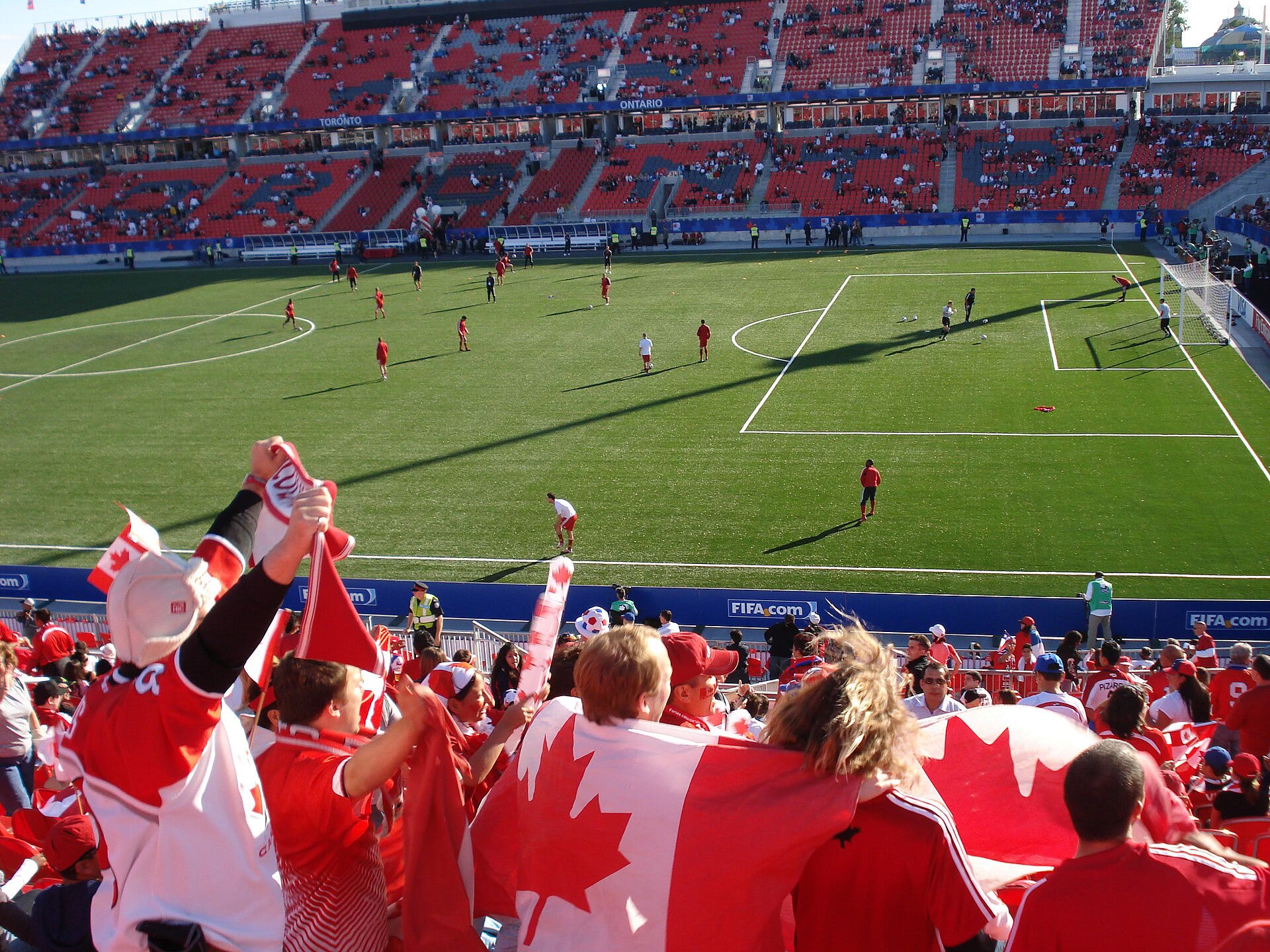
Canada’s 6–0 win over Qatar at the 2026 FIFA World Cup was a historic moment for Canadian soccer. It marked Canada’s first-ever men’s World Cup victory and included a memorable hat trick from Jonathan David. However, the celebration was overshadowed by a serious injury to Canadian midfielder Ismaël Koné, who was stretchered off after a tackle early in the second half.
Reports indicated that Koné sustained a significant lower-leg injury and was expected to undergo surgery. While the exact diagnosis and surgical details belong to his medical team, the incident provides an opportunity to better understand serious lower-leg fractures, how they occur, how they are treated, and what recovery may involve for an elite athlete.
The Anatomy of the Lower Leg
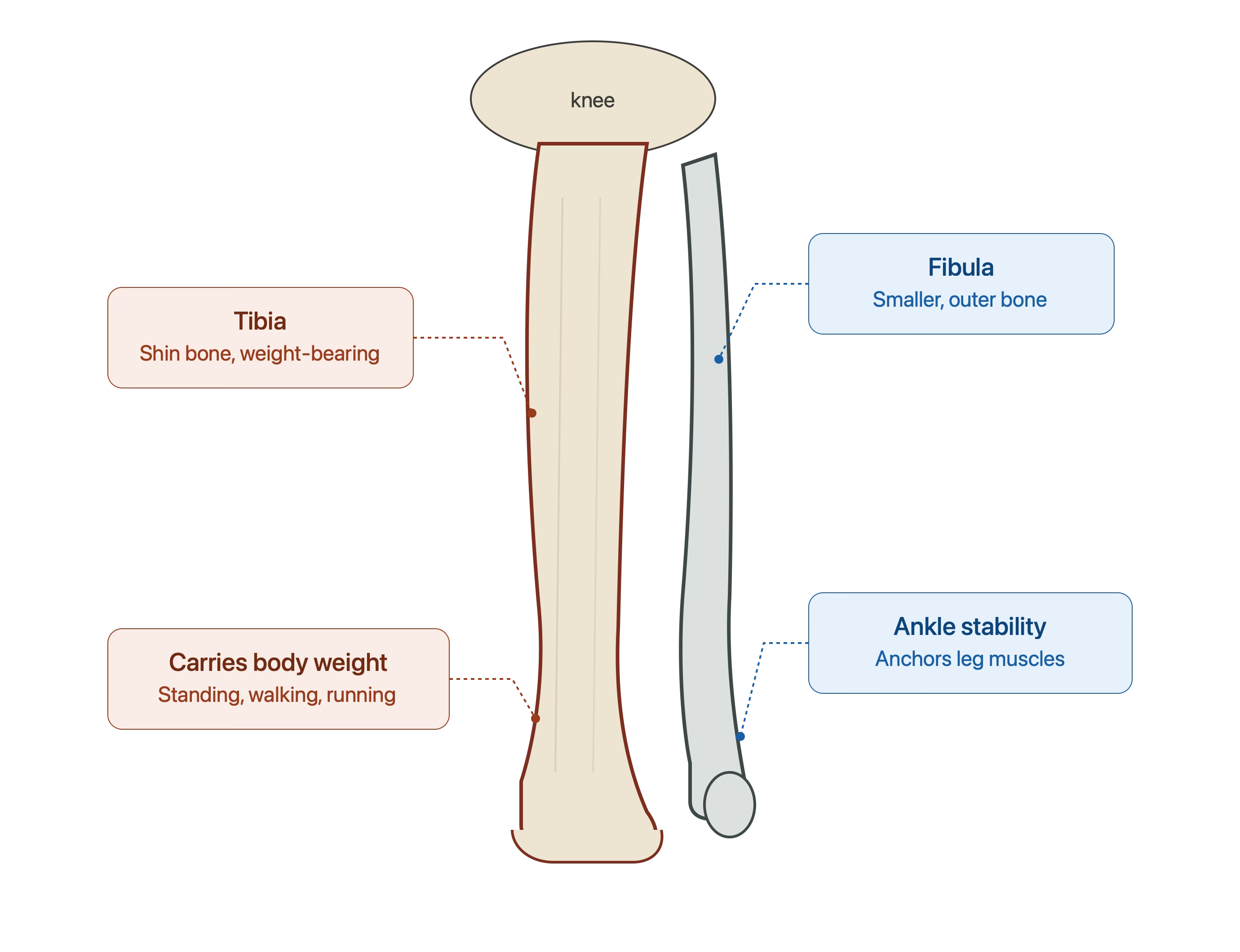
The lower leg is mainly supported by two bones: the tibia and the fibula. The tibia, commonly known as the shin bone, is the larger and stronger of the two. It carries most of the body’s weight during standing, walking, running, jumping, and cutting. The fibula is the smaller bone located on the outside of the lower leg. Although it does not carry as much weight as the tibia, it plays an important role in ankle stability and muscle attachment.
The tibia is particularly vulnerable because much of it sits close to the skin, especially along the front and inner side of the shin. Unlike the thigh or calf, where thicker muscle tissue can help absorb impact, the shin has very little padding. This means that a direct blow to the lower leg can transmit force quickly to the bone.
How a Serious Lower-Leg Fracture Can Happen
In soccer, lower-leg fractures can occur from direct contact, twisting forces, awkward landings, or a combination of these mechanisms. A player may be more vulnerable if the foot is planted, the body is rotating, or the force of contact strikes the leg at an exposed angle. In some cases, the injury may involve the tibia alone. In others, both the tibia and fibula may be affected.
Although most tackles do not cause fractures, certain situations can create enough force to overwhelm the bone. When the inner part of the lower leg is struck, there is less muscle available to absorb the impact. If the leg is also rotating or the athlete is moving at speed, the force may be even greater. This is why some lower-leg fractures can happen suddenly, even when the contact does not appear as dramatic as expected.
Why This Injury Was So Significant
A serious tibial fracture is a major injury for any athlete, especially a soccer player. Soccer places repeated demands on the lower leg through sprinting, decelerating, passing, shooting, jumping, tackling, and changing direction. The tibia must tolerate high loads during almost every phase of play.
For an elite midfielder like Koné, lower-leg strength, mobility, and confidence are essential. A fracture does not only affect the bone. It can also affect surrounding soft tissues, ankle and knee motion, balance, muscle strength, and the athlete’s ability to return to high-speed movements. This is why recovery is usually measured in months, not weeks.
Immediate On-Field Management
When a serious fracture is suspected, the first priority is to protect the athlete and stabilize the injured limb. Medical staff usually assess pain, visible deformity, circulation, sensation, and the athlete’s ability to move the foot and ankle. They also determine whether the injury appears to be a closed fracture or an open fracture.
A closed fracture means the skin remains intact. An open fracture means the broken bone has communicated with the outside environment through the skin, which increases the risk of infection and usually requires urgent surgical care. In either situation, the limb is typically immobilized with a splint before the athlete is transferred for imaging and orthopedic assessment.
Surgical Treatment
Many significant tibial shaft fractures are treated surgically. One common surgical option is intramedullary nailing, where a metal rod is placed inside the tibia to stabilize the bone. Screws are often used to hold the rod in position. The purpose of surgery is to restore alignment, improve stability, and allow the bone to heal in the best possible position.
The fibula does not always require surgical fixation, even if it is also fractured. This depends on the location of the break, ankle stability, alignment, and the overall injury pattern. The orthopedic surgeon makes this decision based on imaging, examination findings, and the athlete’s specific needs.
What Recovery May Involve
Recovery from a tibial fracture depends on the severity of the injury, whether surgery is required, the quality of bone healing, and whether there are complications. In the early stages, the focus is usually on protecting the repair, managing swelling, controlling pain, and maintaining mobility in nearby joints as appropriate.
As healing progresses, rehabilitation gradually shifts toward restoring knee, ankle, and hip movement. Strengthening is then introduced carefully, especially for the calf, quadriceps, hamstrings, glutes, and core. Weight-bearing is usually progressed according to the surgeon’s instructions and the athlete’s symptoms.
Later stages of rehab focus on walking mechanics, balance, running progression, agility, acceleration, deceleration, and sport-specific movements. For a soccer player, this means gradually reintroducing passing, shooting, cutting, contact, and full-speed training. Return to play requires more than the bone simply healing on imaging. The athlete must also regain strength, coordination, confidence, conditioning, and the ability to tolerate the demands of competition.
Return to Sport Considerations
Return to sport after a tibial shaft fracture can vary widely. Some athletes return within several months, while others require a year or longer depending on the injury and recovery course. Elite athletes often have access to advanced medical care and daily rehabilitation, but they also need to return to a much higher level of performance than the average person.
Before returning to competition, medical teams typically consider pain levels, imaging results, strength testing, range of motion, running tolerance, jumping ability, balance, psychological readiness, and sport-specific performance. Rushing this process can increase the risk of delayed healing, compensation injuries, or re-injury.
The Emotional Impact of a Major Injury
A serious injury during a major tournament is not just a physical event. It can be emotionally difficult for the injured athlete and the entire team. Koné’s teammates were visibly affected, and Nathan Saliba’s goal celebration with Koné’s jersey showed how strongly the group rallied around him.
For athletes, the emotional side of recovery can include frustration, fear, sadness, and uncertainty. Missing a major tournament can be devastating, especially when the athlete has worked for years to reach that stage. Support from teammates, coaches, family, medical staff, and mental performance professionals can be an important part of the recovery process.
Lessons for Young and Recreational Athletes
Most soccer injuries are not as severe as Koné’s, but the incident is a reminder that lower-leg injuries should be taken seriously. Players should seek urgent medical attention if they experience severe pain, inability to bear weight, obvious deformity, numbness, tingling, rapid swelling, or changes in foot colour or temperature after an injury.
Even when an injury seems less severe, proper assessment can help determine whether the problem is likely a bruise, sprain, muscle injury, stress injury, or possible fracture. Early evaluation can also help athletes avoid returning too soon and making the injury worse.
Final Thoughts
Canada’s victory over Qatar will be remembered as a major milestone in Canadian soccer history, but Ismaël Koné’s injury added a difficult emotional layer to the night. Serious lower-leg fractures require careful medical management, appropriate surgical decision-making, and a structured rehabilitation process.
While Koné’s World Cup is over, many athletes with tibial fractures are able to return to sport when healing progresses well and rehabilitation is completed properly. His recovery will take time, but with the right medical care and support, the focus now shifts from the tournament to healing, rebuilding, and eventually returning to the game.
References
American Academy of Orthopaedic Surgeons. (n.d.). Tibial shaft fractures. OrthoInfo. https://orthoinfo.aaos.org/en/diseases–conditions/tibia-shinbone-shaft-fractures/
Canadian Press. (2026, June 19). Canada’s Ismael Kone to undergo leg surgery after being stretchered off vs. Qatar. Sportsnet. https://www.sportsnet.ca/fifa-world-cup/article/canadas-ismael-kone-stretchered-off-vs-qatar-with-leg-injury/
Jones, C. (2026, June 18). Gruesome injury to Ismaël Koné in victory over Qatar dampens Canadian men’s joy of historic 1st World Cup win. CBC Sports.
Robertson, G. A. J., Wood, A. M., Bakker-Dyos, J., Aitken, S. A., Keenan, A. C., Court-Brown, C. M., & McQueen, M. M. (2016). Return to sport after tibial shaft fractures: A systematic review. Sports Health, 8(4), 324–330. https://doi.org/10.1177/1941738115601425